


German-Ethiopian
Textile Business Partnership

Partner Africa Ethiopia (PAE), in collaboration with Gesamtmasche, the Ethiopian Ministry of Agriculture (MoA), and the Ethiopian Textile and Garment Manufacturers Association (ETGAMA), has been supporting organic cotton production in Arbaminch and the Afar Region.
Since its implementation, the project has delivered promising results in both production volumes and cotton quality. It has also played a significant role in establishing a value chain in a sector where structured linkages between producers and the textile industry were previously lacking.
In September, the PAE team conducted a field mission to assess the progress of the current production season in Arbaminch, the Wolaita Zone, and the Afar Region. During visits to cotton fields in Arbaminch and Wolaita, the team met with key stakeholders to discuss strategies for ensuring sustainable production and creating long-term benefits for all actors across the value chain.
As part of its efforts to strengthen the organic cotton value chain, the project is also supporting the construction of dedicated organic cotton storage facilities in Arbaminch and the Wolaita Zone. These facilities are essential for improving post-harvest handling and supporting the organic cotton certification process.
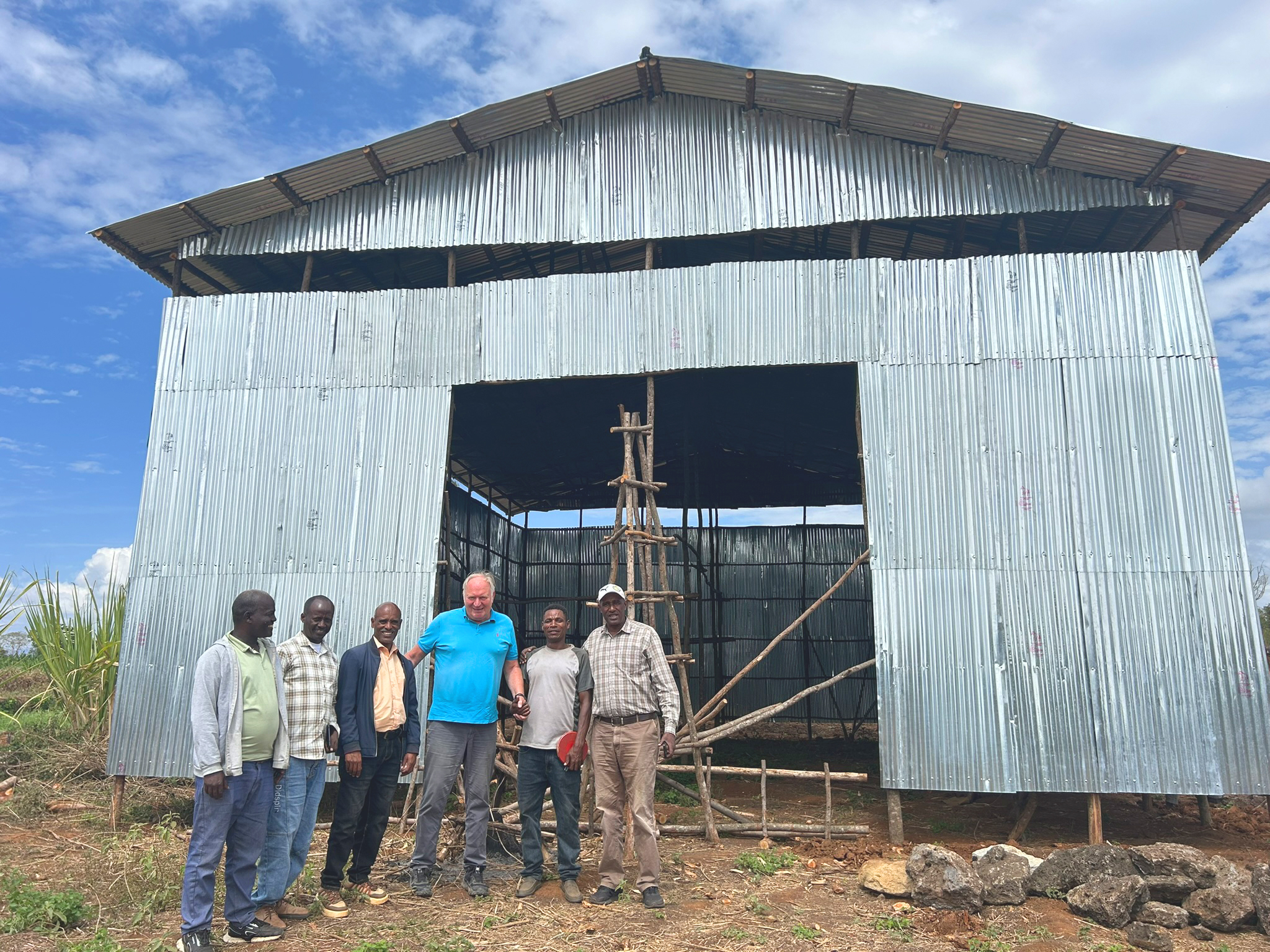
Fig 1. Organic cotton storage unit being constructed in Wolaita zone
In the Afar Region, the team visited cotton fields across several villages. The region’s access to irrigation water from the Awash River supports favorable growing conditions, and the team observed encouraging production results.
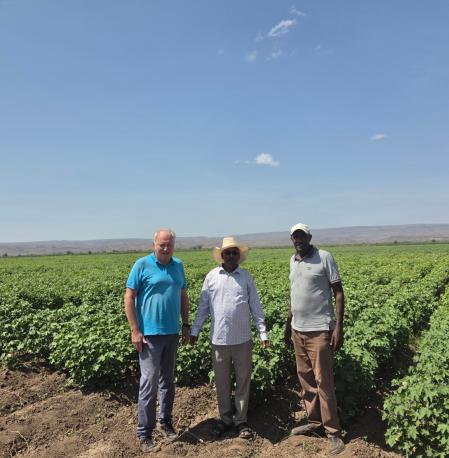
Fig 2. Organic cotton senbeleta big farm in Gerene Woreda, Afar region
Beyond supporting cultivation, the project is actively facilitating market linkages between cotton producers and the local textile industry. As part of these efforts, MNS Textile Industry in Addis Ababa has purchased organic cotton from the Gamo and Wolaita zones. The cotton is currently being processed into yarn for both the domestic market and export.
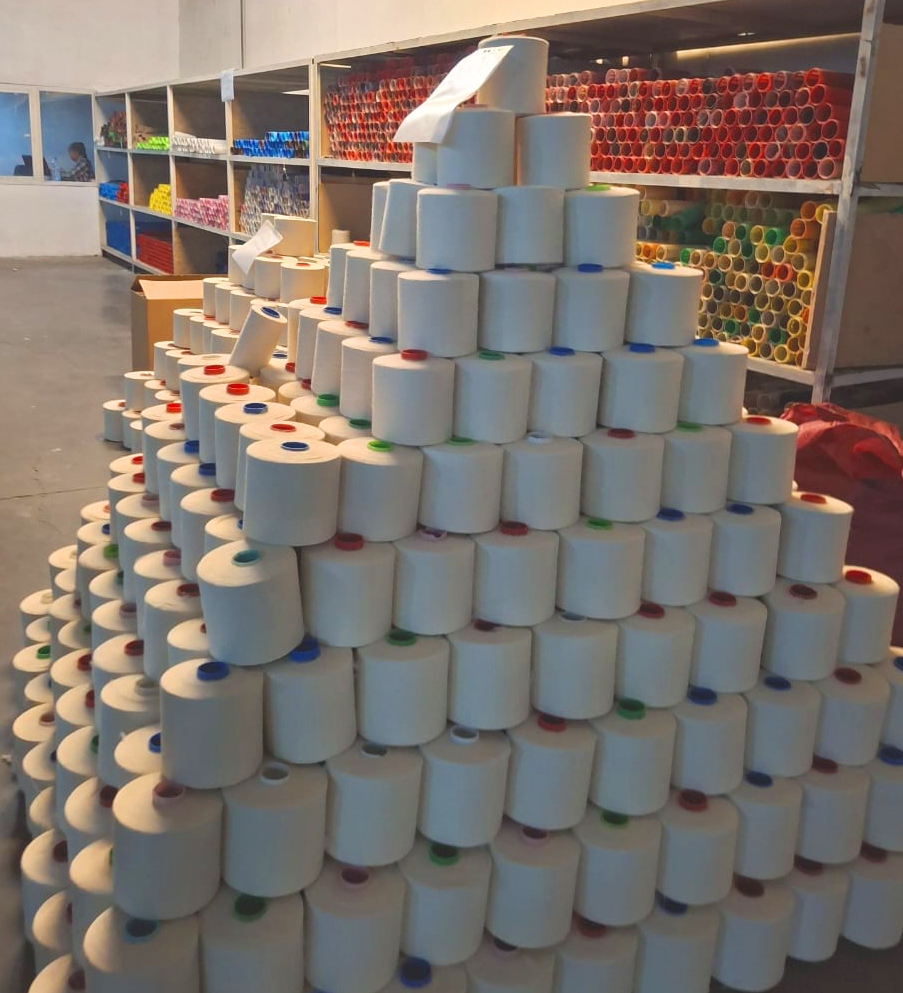
Fig 3. Organic yarn production in MNS Textile Factory
Through its continued support for production, post-harvest infrastructure, certification, and market access, the project is helping to build a more sustainable and integrated organic cotton value chain in Ethiopia.